


Every move tells a new story, but does it have to create a mountain of waste?
Whether you’re shifting to a new home or setting up a new office, relocation often comes with stacks of discarded boxes, plastic wraps, and unused materials. The good news? A more sustainable, waste-free move is entirely possible.
By adopting smart packing strategies, individuals and businesses can reduce waste, lower costs, and move responsibly, without compromising on safety or convenience.
Why Sustainable Packing Matters in Relocation
The Problem with Conventional Packing Methods
Traditional packing methods rely heavily on single-use materials such as plastic wraps, bubble sheets, and cardboard boxes that often end up in landfills. The relocation industry contributes significantly to short-term waste generation, particularly during large-scale domestic or corporate moves, where volume and speed often take priority over sustainability.
The Rise of Eco-Friendly Alternatives
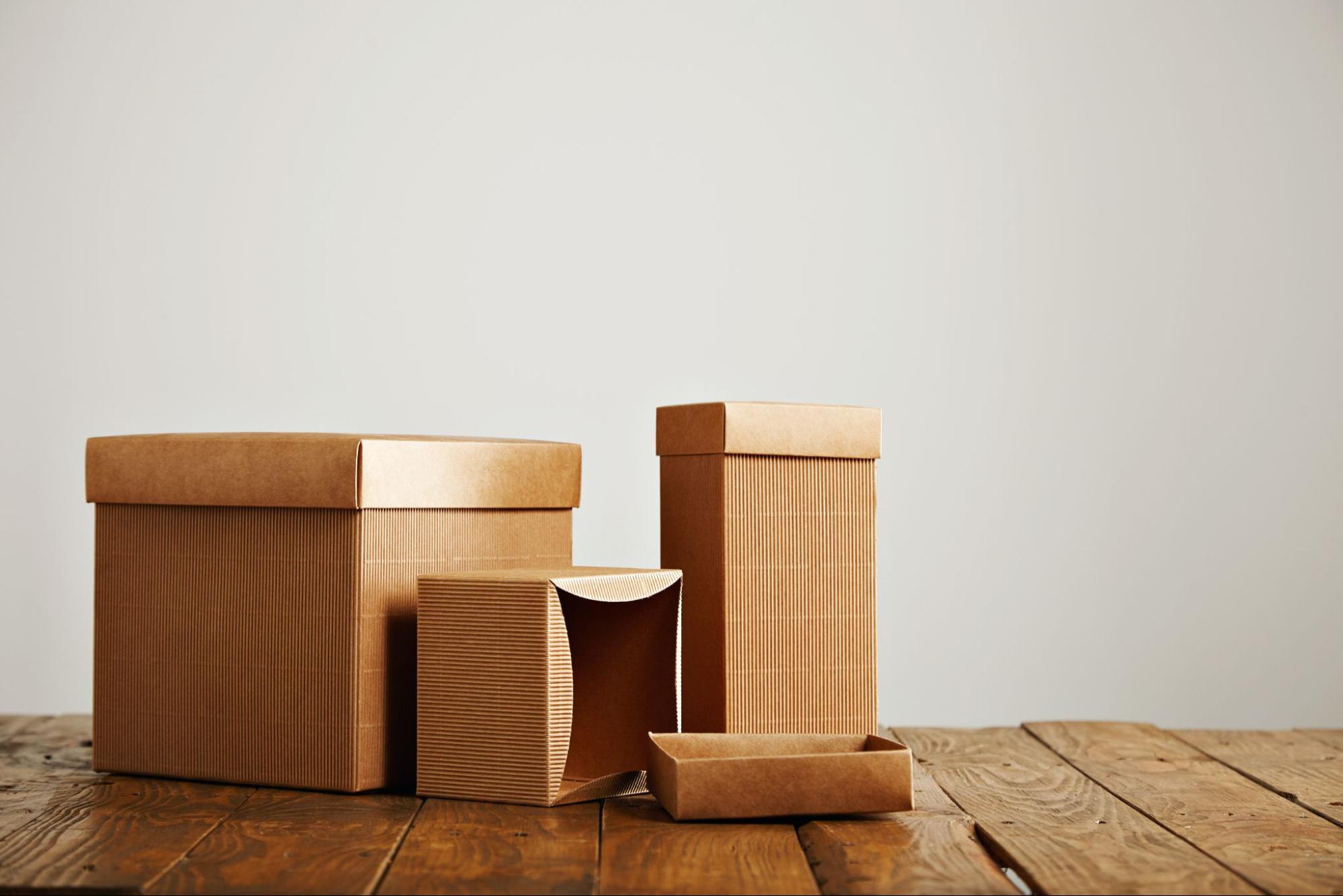
In response, relocation companies and individuals are increasingly turning to sustainable packaging solutions, like recycled cardboard boxes, reusable crates, compostable fillers, and paper-based wraps, that reduce environmental impact without compromising protection. These alternatives not only cut landfill waste but also promote a circular economy, where materials are reused, recycled, or repurposed.
Aligning Sustainability with Corporate Responsibility
For businesses, eco-friendly relocation isn’t just a trend; it’s a reflection of corporate sustainability and ESG goals. Using green packing practices helps companies lower their carbon footprint, enhance brand reputation, and align with the growing demand for responsible supply chain operations. Employees and clients alike increasingly value organisations that move with purpose, both literally and ethically.
1. Reuse Before You Replace
Before buying new packing materials, look at what you already have
- Sturdy cardboard boxes, foam sheets, and bubble wraps can often be reused multiple times
- Encourage employees or households to retain strong boxes for future moves
- Opt for reusable plastic crates or foldable bins for office relocations; they’re durable, stackable, and reduce waste over multiple uses
These simple steps reduce both waste generation and packaging expenses without sacrificing protection
2. Choose the Right Packaging Size
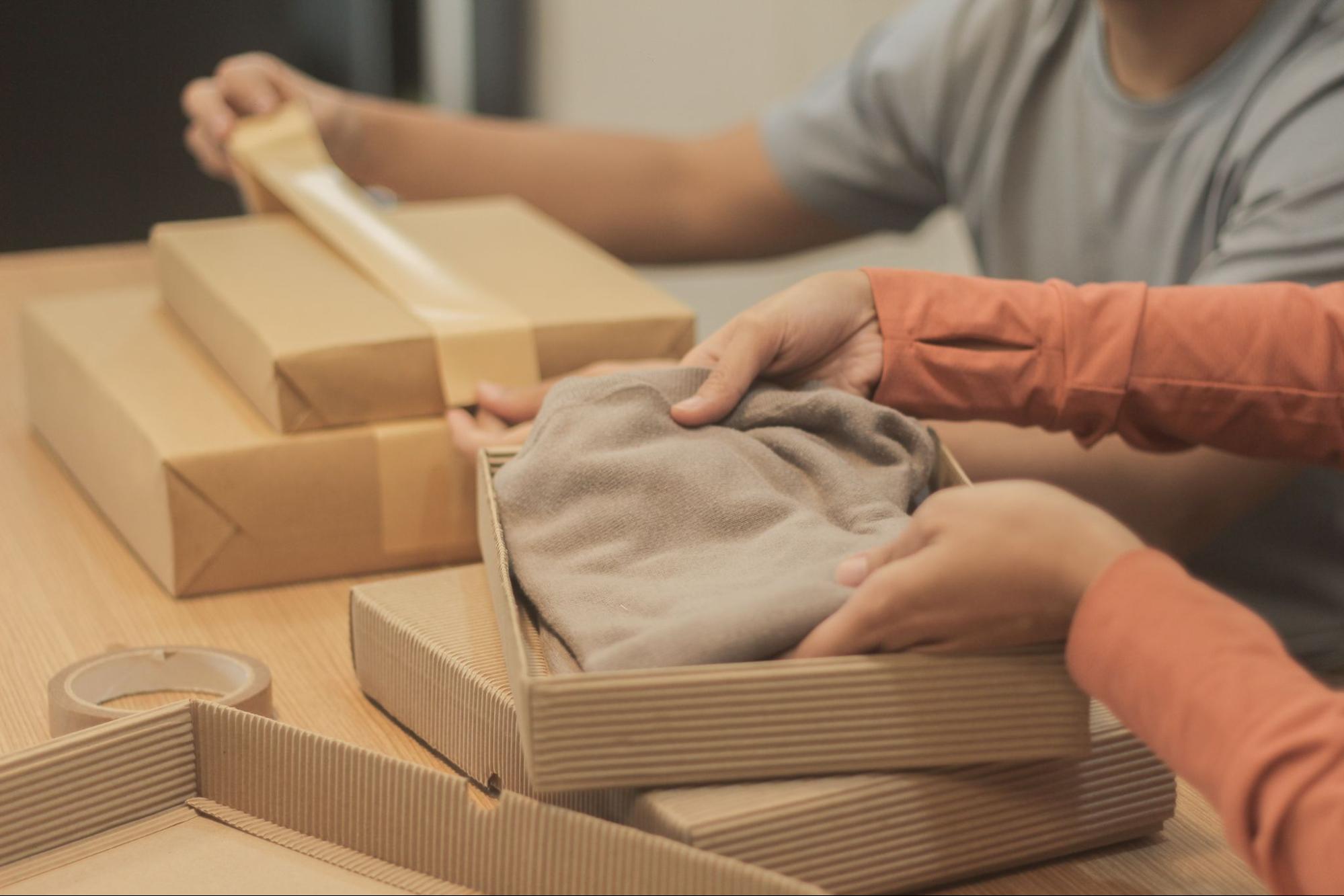
Overpacking is one of the biggest sources of material waste. Using oversized boxes or excessive fillers not only wastes resources but can also lead to item damage.
By selecting right-sized packaging, you:
- Minimise material use
- Protect fragile items more efficiently
- Optimise truck space, lowering fuel consumption and carbon emissions
Today, some relocation firms even use AI-driven logistics tools to determine the most efficient box sizes and packing densities, ensuring sustainability meets precision.
3. Opt for Recyclable and Compostable Materials
When you must use new materials, go green wherever possible:
- Recycled cardboard for boxes and dividers
- Paper-based tape instead of plastic
- Compostable wraps and biodegradable fillers made from cornstarch or paper pulp
These materials perform just as well as conventional options and are easy to recycle or safely decompose, ensuring minimal impact post-move.
4. Smart Packing = Smart Logistics
Efficient packing isn’t just about the materials; it’s about strategy and organisation.
- Label boxes clearly to prevent unnecessary unpacking
- Group similar items to save space and prevent damage
- Use digital inventory or tracking tools to manage the move smoothly
Emerging technologies like AI and Large Language Models (LLMs) can now help relocation providers analyse item data, recommend eco-friendly material combinations, and even predict optimal packing arrangements, saving both time and resources.
5. Quick Checklist for a Waste-Free Move
Here’s a simple guide you can follow:
- Reuse strong boxes and materials whenever possible
- Choose recycled or compostable packaging supplies
- Match box size to item weight and fragility
- Label and organise for efficient logistics
- Recycle or donate leftover materials after the move
By following this checklist, you can turn your move into an eco-conscious transition, simple, smart, and sustainable.
6. Encourage Recycling Post-Move

The move doesn’t end when the boxes are delivered. Encourage clients, employees, or family members to recycle or return used materials:
- Relocation companies can offer take-back programmes for reusable crates
- Cardboard boxes can go directly into local recycling systems
- Plastic wraps or films can be dropped at designated collection points
Small, collective actions like these ensure sustainability extends beyond moving day.
How Interem Relocations Champions Smart, Sustainable Packing
At Interem Relocations, sustainability is built into every aspect of the move. The company uses recyclable cartons, reusable crates, and eco-friendly wraps that protect goods without harming the planet.
Interem’s packing specialists are trained in optimised, low-waste techniques, ensuring every material serves a purpose. For large-scale corporate moves, the company employs digital planning and logistics tools to maximise truck space, minimise emissions, and streamline operations, making each relocation both efficient and environmentally responsible.
By combining global relocation expertise with a commitment to sustainable innovation, Interem sets a new benchmark for eco-conscious mobility.
Frequently Asked Questions (FAQs)
What are the best sustainable packing materials for moving?
Recycled cardboard, paper-based tape, compostable fillers, and reusable plastic crates are top eco-friendly options that protect your belongings without creating waste.
How can companies reduce waste during office relocation?
Businesses can partner with relocation firms like Interem that use reusable crates, optimise truck space digitally, and provide recycling options post-move.
Why is eco-friendly packaging important in moving?
Sustainable packaging reduces landfill waste, lowers carbon emissions, and supports a cleaner environment while maintaining safety and efficiency.
Final Thoughts
Moving doesn’t have to mean waste. With the right materials, thoughtful planning, and a sustainability-minded partner like Interem Relocations, every move can become a step toward a greener, cleaner future.
From reusing boxes to rethinking logistics, smart packing strategies don’t just protect your belongings; they protect the planet.